
Online Therapy for Adults in Florida — in English & Spanish
Individual telehealth sessions with Aser Ones, LCSW, for adults struggling with anxiety, panic attacks, trauma/PTSD, emotional overwhelm, and depression. Evidence-based care — including CBT and Accelerated Resolution Therapy (ART) — from the comfort of your home, anywhere in Florida.
Treatment is available in individual sessions. Services are 100% virtual (telehealth).
Hi! I'm Aser Ones, LCSW.
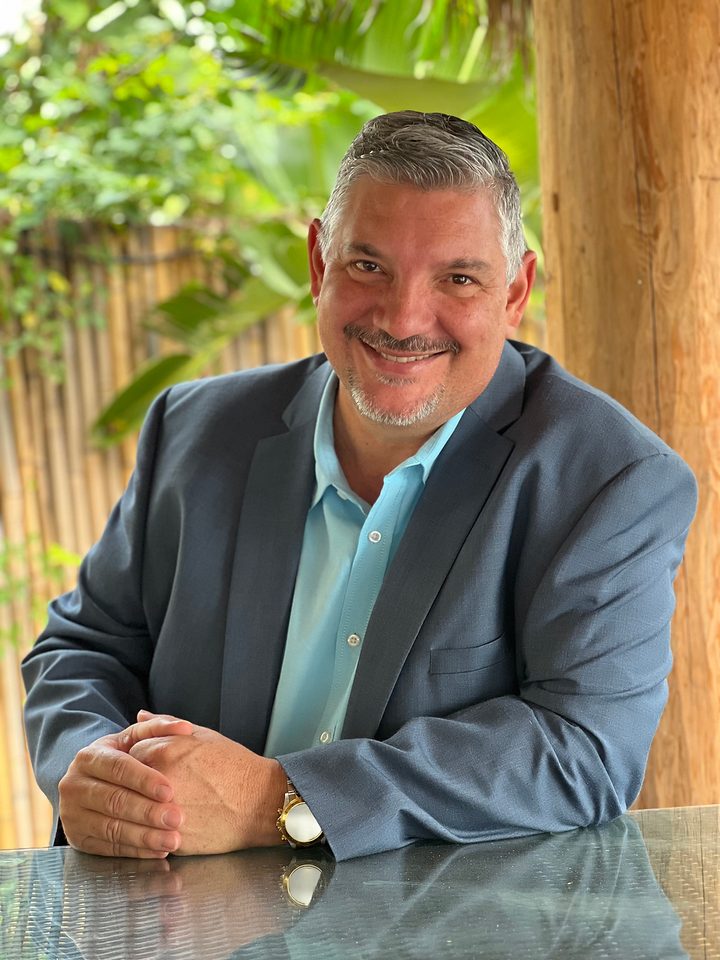
I provide online therapy in English and Spanish for adults struggling with anxiety, panic attacks, trauma, and emotional overwhelm.
As a Master Practitioner of Accelerated Resolution Therapy (ART), I help clients regain emotional stability and move forward with greater clarity through a focused, effective therapeutic approach. Many clients experience meaningful relief within just a few sessions.
Feeling constantly overwhelmed, anxious, emotionally exhausted, or stuck in overthinking? At Fenix Behavioral Health, our mission is simple: to provide accessible, effective, and compassionate online therapy that helps you regain stability and improve your mental well-being — blending science-backed techniques with a human touch, all through a 100% virtual platform, so you can heal on your terms.
Treatment is available in individual sessions only, for adults 18 and older, anywhere in Florida.
Specialized Help for Life's Toughest Challenges
We specialize in helping individuals facing anxiety, trauma, and emotional pain — with personalized, evidence-based strategies.
Anxiety
Learn to manage overwhelming worry and regain control with expert guidance.
Panic Attacks
Practical tools to calm intense episodes and reduce the fear of the next one.
Trauma & PTSD
Heal faster with evidence-based treatment that effectively re-processes painful memories.
Depression
Break free from persistent sadness and rediscover hope with personalized strategies.
Emotional Overwhelm
Regain emotional stability when stress, overthinking, and exhaustion take over.
Grief
Compassionate support to process loss and move forward at your own pace.
Work Stress
Strategies to manage burnout, pressure, and the demands of a heavy workload.
Focused, Evidence-Based Therapy
Every treatment plan is personalized. We draw on proven therapeutic approaches matched to your needs and goals.
Cognitive Behavioral Therapy (CBT)
Identify and reshape unhelpful thought patterns driving anxiety and depression.
Accelerated Resolution Therapy (ART)
A focused, evidence-based approach that can bring relief in as little as one session.
Solution-Focused Brief Therapy (SFBT)
Practical, goal-oriented work centered on your strengths and the future you want.
Motivational Interviewing
Strengthen your own motivation and commitment to meaningful change.
Narrative Therapy
Re-author the stories shaping your life and deepen insight into your challenges.
100% Virtual Sessions
Secure telehealth sessions from anywhere in Florida — no commute, no waiting room.
We Accept Insurance
We work with most major insurance plans, and flexible self-pay options are available.
- Aetna (Commercial)
- AvMed
- BlueCross and BlueShield
- Cigna and Evernorth
- Humana
- Lyra Health Plan
- Medicare
- Optum
- Oscar Health
- Oxford
- Prominence Health Plan
- UMR
- UnitedHealthcare UHC | UBH
- Out of network
Simple, Transparent Pricing
One clear rate. Insurance accepted, with flexible self-pay options available.
Insurance accepted. Self-pay and cash-pay options available — call for after-hours appointment availability.
Ready to Feel the Difference?
"Aser helped me feel calm after just two sessions. I'd been stuck in anxiety for years — his approach was a game-changer."
— J.M.
"Finally, a therapist who speaks Spanish and gets it. I'm sleeping better and feeling hopeful again."
— L.R.
"I didn't think virtual therapy could work for my PTSD, but Fenix proved me wrong. One session made a huge difference."
— T.S.
Request a Free Consultation
Send us a message and we'll get back to you shortly. New clients are welcome.